All-Pacific creative team launches a major new book that reveals the dynamic and powerful story
of Pacific arts in Aotearoa, spanning six decades of multidisciplinary Pacific creative genius and honouring the multi-dimensional, fresh and energetic contributions of Pacific artists to New Zealand, Oceania and the world.
Edited by leading Pacific writer and scholar Lana Lopesi, designed by Shaun Naufahu, project- managed by Faith Wilson and published by Penguin Random House New Zealand in proud partnership with Pacific Arts, Creative New Zealand, Pacific Arts Aotearoa is ground-breaking yet also builds upon the Pacific Arts Legacy Project, an initiative under the Pacific Arts Strategy.
“We are so proud to have co-designed this beautiful new book as a strategic initiative to celebrate our first ever Pacific Arts Strategy 2018–2023,” says Makerita Urale, Creative New Zealand’s Senior Manager, Pacific Arts.
“This project began with our digital Pacific Arts Legacy Project, when COVID-19 first hit Aotearoa, and has now evolved to include many more voices of our Pacific arts community. Thank you and alofa to everyone who made this book a reality.”
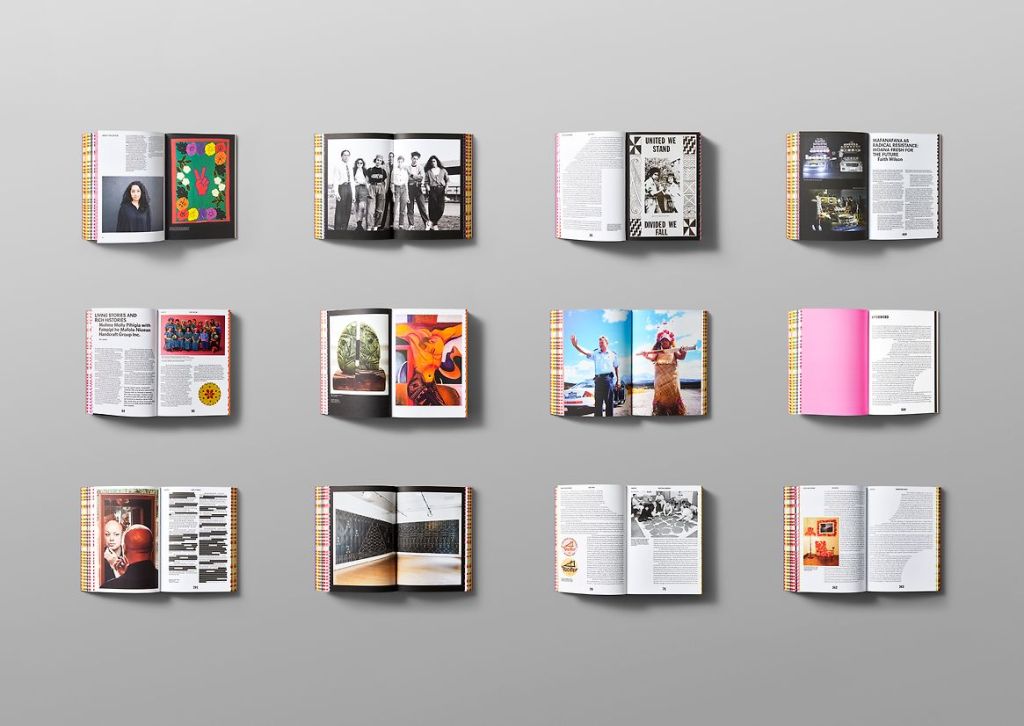
The book includes images and contributions from more than 120 artists, curators and community voices, providing new and never-before-heard perspectives on this vast and growing legacy. Interwoven with their stories is the narrative of Pacific artists in Aotearoa, from their first arrivals on the shores of this country right up until today – and moving into the future.
Editor Lana Lopesi says, “Pacific Arts Aotearoa includes stories from some of Pacific art’s most beloved artists. Weavers, tapa makers, sculptors, resisters, quilters and disrupters, all make up the texture of Pacific creativity. These artists are not asking to be included; they are here. And together they create a complex weave, which defies any easy categorizing of Pacific art. Bringing together the incredible 120+ voices in the pages was a constant reminder that the reverberations of Pacific creativity are wide-reaching, and sometimes unexpected.”
Swimming between these stories are essays about key moments, movements and people from across 60 years of making, written by foremost experts in their field. You’ll read about beautiful and intricate heritage arts like tatau and tīvaevae; about visual arts including painting and sculpture; and you’ll meet the unexpected, with a deep dive into Pacific Punk artists including the creative force that is Coco Solid. You’ll also encounter the inexplicably cool, street and archetypally Gen Z – a photo essay by acclaimed documentary photographer Edith Amituanai that follows siren crews in Auckland.
This book charts the resilience and creativity of our Pacific communities, presenting a fascinating and multi-faceted history: from the Dawn Raids, to the burst of Polynesian creativity in the 1990s, right through to the current battle against climate change. Locating art within the social and political, building a story of heart, emotion, and unfathomable coolness, this is a book about community and alofa.
Penguin Random House New Zealand Head of Publishing Claire Murdoch says, “From Albert Wendt to Che Fu to Parris Goebel, Pacific artists have contributed vastly to the story of art in this part of the world for nearly a century. Their contribution has been disproportionate to how often their story is told. This book reveals the scale of that influence, and Lopesi’s history shows the waves of surgent and resurgent Pacific creativity they have brought. Readers will be immersed in their images and words and this book will change what all of us know.”
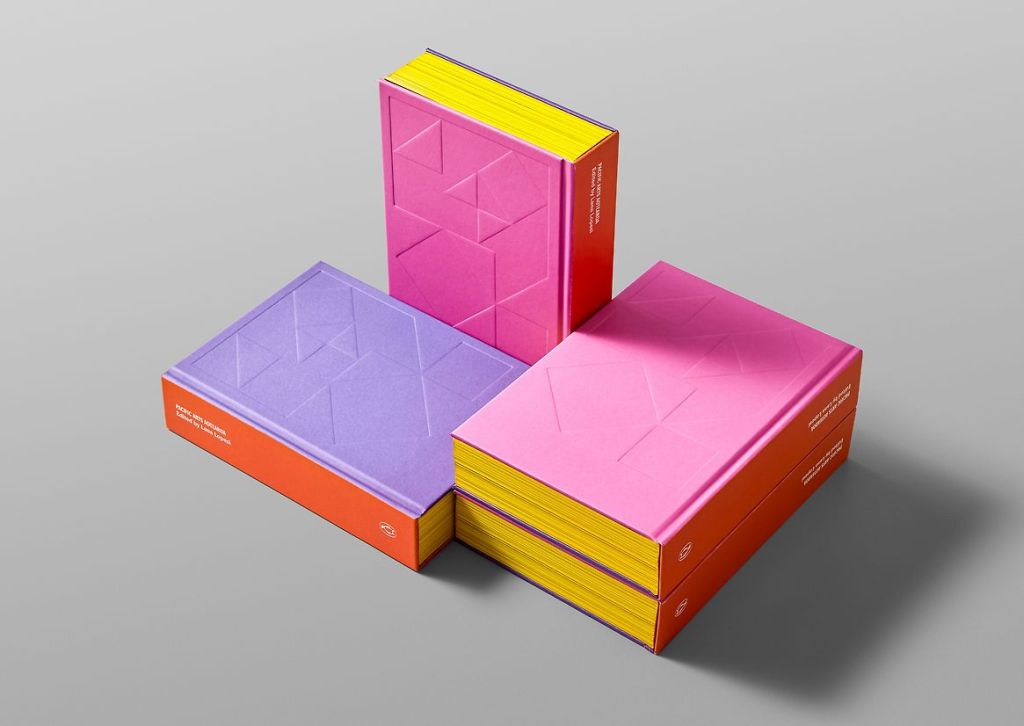
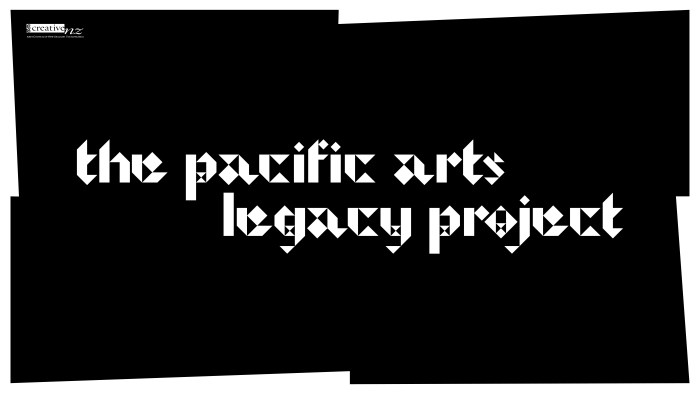
Designer Shaun Naufahu (Alt Group), created the display typeface and design layouts used throughout the book and project. Shaun says, “In designing this book, we wanted it to signal that it clearly comes from a group of people from a specific part of the world. Just as people have different spoken accents, you also have distinct visual accents.
“The first thing we created was a typeface named ‘Koloa Tuku’, meaning ‘legacy’ in Tongan. Utilising the manulua, the classic marking pattern, we created a grid. From that grid we generated the letter forms. Those forms, while not transposing the manulua, instead follow the genealogy of its lines.
“For the book’s colour scheme, we wanted to pick colours that evoked a familiar sense of the Pacific. We’ve referenced the TV2 tīvaevae made by Mi‘i Quarter in 1996–1997. It works as a metaphor for the whole project; a cultural moment in which customary practice meets contemporary expression.
“When you look at this book, you know that it relates to the Moana. That’s quite a powerful thing.”


 lanalopesi.com